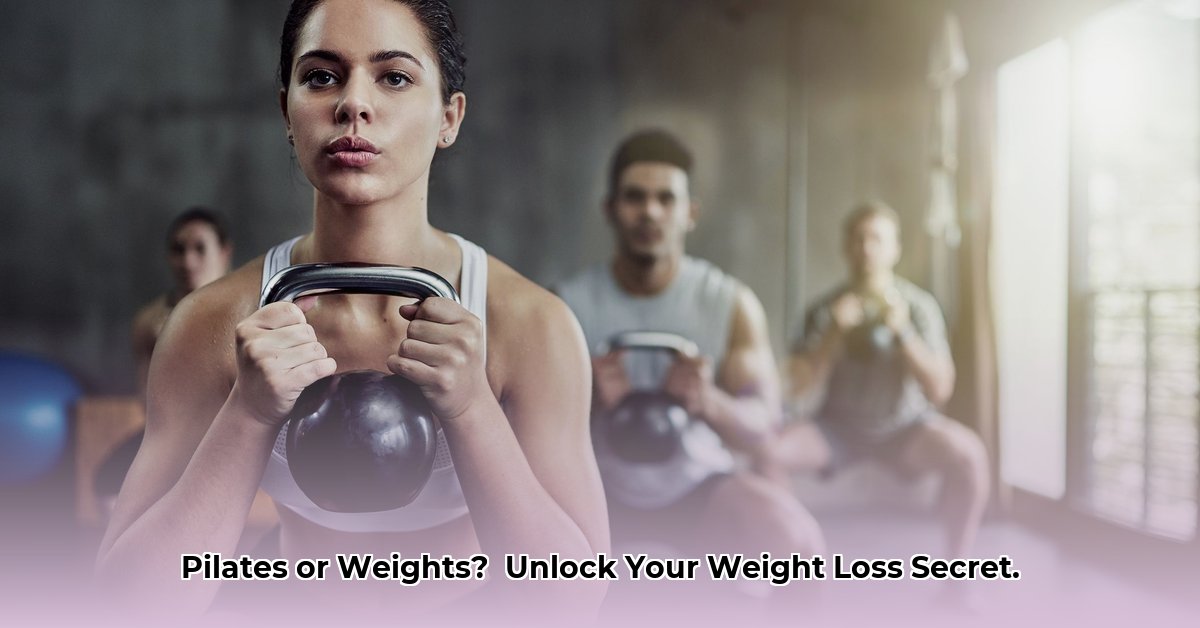
Understanding the Core Differences: Pilates vs. Weight Training
Choosing between Pilates and weight training for weight loss can be confusing. Both are effective, but they work differently. Pilates emphasizes controlled movements, core strength, flexibility, and posture. Think precise, deliberate exercises to sculpt your body. Weight training uses resistance (dumbbells, weight machines) to build muscle mass and increase strength. More muscle boosts your metabolism, burning more calories even at rest.
Calorie Burn and Muscle Growth: A Key Distinction
Weight loss requires burning more calories than you consume. Both methods contribute, but differently. Weight training generally burns more calories during the workout. Pilates provides a steadier calorie burn. However, weight training's "afterburn effect" – increased calorie expenditure post-workout due to muscle building – significantly increases overall calorie burn. While Pilates improves fitness and core strength, weight training's muscle-building impact leads to greater long-term calorie expenditure.
Pilates: A Gentle Approach
Pilates is low-impact, gentle on joints, ideal for injury recovery or joint issues. It focuses on precision and control, enhancing body awareness and flexibility. While calorie burn during a Pilates session may be lower than weight training, the benefits are significant: a strong core improves posture, balance, and stability, indirectly supporting weight loss.
Weight Training: Building Muscle for Metabolic Boost
Weight training effectively builds muscle mass, crucial for boosting metabolism. A higher metabolism burns more calories at rest, aiding weight loss and maintenance. It also strengthens bones, improving overall health and reducing osteoporosis risk. Proper form is essential to prevent injuries; beginners should start slowly with qualified instruction.
Choosing Your Path: Pilates, Weight Training, or Both?
The best choice depends on individual needs.
- Goals: Rapid weight loss might favor weight training; overall fitness improvement (flexibility, core strength, posture) points to Pilates.
- Fitness Level: Beginners should start with modified versions of either, gradually increasing intensity. Experienced individuals might combine both.
- Physical Limitations: Joint pain or limitations often suggest Pilates' low-impact nature.
Combining Pilates and Weight Training: A Synergistic Approach
Many fitness experts recommend combining both. Pilates strengthens the core, improving stability and reducing weight training injury risk. It also serves as active recovery, keeping your body moving while muscles repair.
Actionable Steps for Weight Loss
- Set Clear Goals: Define your objectives (weight loss, strength, flexibility).
- Assess Fitness Level: Honestly evaluate your current fitness capabilities.
- Choose Your Method: Select Pilates, weight training, or a combination based on your goals and fitness level.
- Gradual Progression: Start with shorter workouts, gradually increasing duration and intensity; prioritize proper form.
- Listen to Your Body: Rest and recovery are crucial; don't push through pain.
- Consistency: Regular exercise is key for lasting weight loss.
Weighing the Risks: A Risk Assessment Matrix
It's crucial to understand potential risks:
| Activity | Potential Risks | Likelihood of Risk | Severity of Risk | Risk Mitigation Strategies |
|---|---|---|---|---|
| Weight Training | Muscle strains, sprains, joint injuries | Moderate | High | Proper form, gradual progression, qualified instruction, rest days |
| Pilates | Minor muscle strains, back pain (rare) | Low | Low | Proper form, gradual progression, qualified instruction |
| Improper Form (Both) | Serious injury (e.g., rhabdomyolysis) | High | Very High | Qualified instruction, careful attention to technique, start slowly |
Disclaimer: Consult your doctor or a certified personal trainer before starting any new exercise program.
How to Combine Pilates and Weight Training for Optimal Muscle Growth
Pilates and weight training, used together, create a powerful combination. Weight training builds muscle mass, while Pilates enhances control, coordination, and stability, leading to more efficient movements and injury prevention.
Combining Strategies: Two Effective Approaches
Option 1: Alternating Days: Alternate weight training and Pilates sessions with rest days.
Option 2: Integration: Incorporate short Pilates exercises (core work, stretching) before or after weight training.
Remember to listen to your body, prioritize proper form, and avoid overtraining. Consistent effort and adaptation are key to long-term success.